Address
304 North Cardinal
St. Dorchester Center, MA 02124
Work Hours
Monday to Friday: 7AM - 7PM
Weekend: 10AM - 5PM
Address
304 North Cardinal
St. Dorchester Center, MA 02124
Work Hours
Monday to Friday: 7AM - 7PM
Weekend: 10AM - 5PM

A buyer-focused comparison of 24-410 and 28-410 neck finishes, including diameter, thread profile, closure fit and sampling checks.
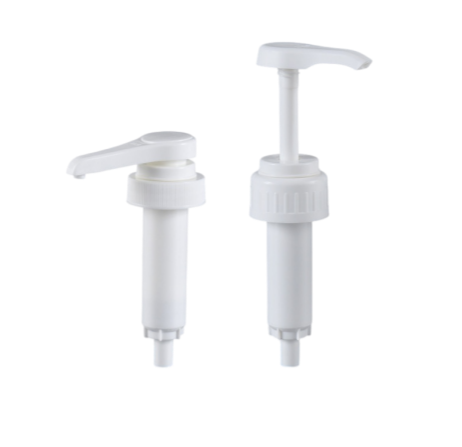
This guide covers 24-410 vs 28-410 neck finish with practical checks for product teams, packaging buyers and sourcing managers.
The quick difference is the diameter: a 24-410 neck is nominally 24 mm across the finish, while a 28-410 neck is nominally 28 mm. That sounds simple, yet the second number matters just as much. Both use the 410 thread profile, but the container, closure, liner and filling equipment still have to agree on the complete interface.
This comparison is written for product teams comparing stock bottles with pumps, sprayers or caps. It avoids treating the neck code as a single interchangeable dimension. A cap that threads onto one bottle can still sit too high, leak under pressure or leave the wrong dip tube depth.
In common packaging notation, the first number is the nominal neck diameter in millimetres. The number after the hyphen describes the thread and finish family. For a 24-410 bottle, the opening is smaller than a 28-410 bottle, even though both finishes may use a similar continuous-thread style.
This distinction becomes practical when a product line scales up. A 50 ml serum may use a 24-410 neck for a compact dropper or treatment pump. A larger 250 ml body wash or spray bottle may use 28-410 to suit a larger pump, sprayer or closure. Sharing a neck size can reduce component count, but only when the bottle geometry and target dose still support it.
Closure depth, thread engagement, liner compression and the clearance below the finish affect the final seal. Two components with the same nominal neck finish can still behave differently if one uses a deep skirt and another relies on a thin liner.
For pumps and sprayers, check dip-tube length after the bottle and closure are assembled. The tube should reach the low point of the bottle without curling against the base. A 28-410 bottle with a wide shoulder may need a different tube length than a straight-sided 24-410 bottle of the same fill volume.
Start with drawings rather than marketing photographs. Confirm the bottle T/E dimension, thread starts, finish height, minimum opening and recommended closure torque. Then test the actual closure with the actual product and filling method.
Include a simulated transport check when leakage would be costly. Temperature cycling can expose weak seals that look acceptable immediately after capping. For products containing solvents or oils, compatibility testing should include the liner as well as the bottle material.
A practical comparison for early component screening:
| Selection point | 24-410 neck | 28-410 neck |
|---|---|---|
| Nominal diameter | Smaller opening, often used on compact bottles. | Larger opening, often used on mid-size bottles and dispensers. |
| Common package types | Serums, small lotions, travel sizes and selected personal-care bottles. | Body care, household products, larger lotions and spray applications. |
| Component availability | Broad range of droppers, treatment pumps and small closures. | Broad range of lotion pumps, sprayers and larger caps. |
| Critical compatibility check | Closure depth, liner compression and small-bottle tube fit. | Pump or sprayer weight, dip-tube reach and shoulder clearance. |
If the specification is still open, start with the relevant product category or send the team a sample request. HIQ Packaging can help connect the container, closure, dispenser and production requirements without changing the commercial details already approved for the project.
No. The nominal diameter difference is too large for a secure thread match. A mismatched closure should not be forced onto the bottle or used for a product trial.
They share the same nominal diameter, but the thread profile and finish may differ. Confirm both T and E dimensions and test the actual container and closure together.
Both can work. The decision depends on the bottle size, pump output and desired dose. A larger neck may provide more pump choices, while a smaller neck can suit compact bottles.
Further reading: Plastics Industry Association.
