Address
304 North Cardinal
St. Dorchester Center, MA 02124
Work Hours
Monday to Friday: 7AM - 7PM
Weekend: 10AM - 5PM
Address
304 North Cardinal
St. Dorchester Center, MA 02124
Work Hours
Monday to Friday: 7AM - 7PM
Weekend: 10AM - 5PM

A practical guide to choosing between treatment pumps and lotion pumps based on dose, formula, bottle fit and the intended user experience.
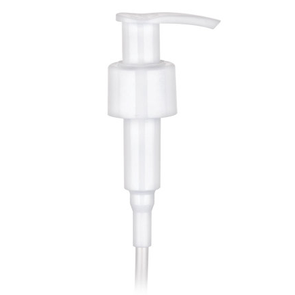
This guide covers treatment pump vs lotion pump with practical checks for product teams, packaging buyers and sourcing managers.
A treatment pump and a lotion pump can look similar at first glance, especially when both are supplied in a small black or white closure. The difference becomes clear when the dose, formula viscosity and bottle size are tested together.
The right choice is rarely based on the pump name alone. It depends on how much product should leave the package, how easily the formula moves through the mechanism and how the user expects to apply it.
A serum may need a small, repeatable amount that can be spread across the face. A body lotion may need several times that amount in one stroke. Output per actuation is therefore more useful than the visual size of the pump.
Two pumps with the same neck finish can deliver very different doses. The chamber, piston, spring and actuator all affect performance. Ask for the output specification and test it with the actual formula rather than water.
A low-viscosity formula can move too quickly through a system designed for a thicker product. A heavier emulsion may prime slowly or leave product in the bottle if the suction path and dip tube are not appropriate.
Check whether the pump is intended for oils, emulsions, gels or high-viscosity liquids. A sample test should include priming strokes, rest periods and delivery at the end of the bottle’s usable volume.
The pump’s closure size must match the bottle finish. The dip tube must also reach the low point of the bottle without bending so sharply that it restricts flow. Bottle shoulder shape can change the usable tube length even when capacity is unchanged.
Use these questions to narrow the specification:
| Decision | Treatment pump | Lotion pump |
|---|---|---|
| Typical use | Serums, oils, facial treatments and controlled application. | Lotions, body care, cleansers and larger-volume dispensing. |
| Dose | Usually smaller and more precise. | Usually larger, with output selected around body-care use. |
| Formula | Often low-viscosity liquids and oils. | Often emulsions and higher-viscosity products. |
| Bottle relationship | Compact bottles and short tubes are common. | Larger bottles and longer tube paths are common. |
If the specification is still open, start with the relevant product category or send the team a sample request. HIQ Packaging can help connect the container, closure, dispenser and production requirements without changing the commercial details already approved for the project.
It may deliver too little product for the application. Output and priming should be tested with the final lotion before selecting it.
They can share common finishes, but the actual closure diameter and thread must match the bottle. Similar appearance does not prove compatibility.
There is no universal value. The target depends on the formula, bottle size and desired number of applications. Test several outputs with users.
Further reading: Plastics Industry Association.
