Address
Phone:+86 21 84709551Work Hours
Monday to Friday: 8AM - 6PM

HDPE vs LDPE Squeeze Bottles: Which Material Fits Your Product?
A practical comparison of HDPE and LDPE squeeze bottles for lotions, gels, oils and other liquid products.

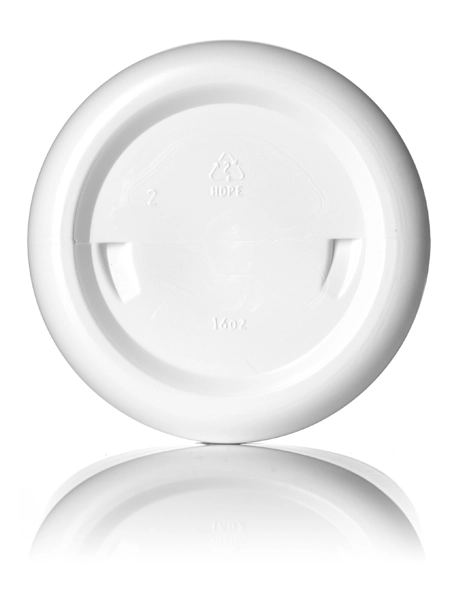
This guide covers HDPE vs LDPE squeeze bottles with practical checks for product teams, packaging buyers and sourcing managers.
HDPE and LDPE can both produce bottles that squeeze. The difference is how the bottle resists deformation, how quickly it returns to shape and how premium the material feels in the hand.
Material selection should start with the formula and use occasion. A thick gel, a low-viscosity oil and a product that needs a soft squeeze can pull the decision in different directions.
Short answer: HDPE generally gives a stiffer bottle with good structural strength. LDPE tends to feel softer and more flexible. The final choice depends on squeeze force, product viscosity and the desired package feel.
How the two materials feel in use
An HDPE bottle often holds its shape and creates a firmer structure for larger formats. It can support a clean label panel and a controlled squeeze when the wall thickness is suitable.
LDPE is often chosen when a softer hand feel and easier squeeze are important. Because it deforms more readily, the bottle design and wall section need to support recovery after each use.
Check compatibility and barrier needs
Neither material family should be approved without considering the formula. Oils, fragrances, surfactants and preservatives can affect stress cracking, paneling or colour stability over time.
If oxygen or light protection is important, material alone may not be enough. Review closure liners, opacity, storage conditions and expected shelf life together.
Test the squeeze, not just the resin
A sample should be filled to the intended volume and tested repeatedly. Observe how much force is needed, whether the bottle dents permanently and whether the cap or dispenser stays clean.
Quick comparison
Use this comparison as an early screening tool:
| Consideration | HDPE | LDPE |
|---|---|---|
| Structure | Generally firmer and more rigid. | Generally softer and more flexible. |
| Squeeze feel | Firmer resistance, depending on wall design. | Easier deformation and a softer feel. |
| Appearance | Often opaque or translucent. | Can provide a softer, waxier visual character. |
| Best starting point | Structured bottles and larger formats. | Soft-squeeze products and selected personal-care packs. |
Common mistakes to avoid
- Assuming the resin name predicts the entire bottle feel.
- Ignoring wall thickness and bottle geometry.
- Testing the squeeze empty rather than with the final liquid.
- Choosing clarity or softness without checking compatibility.
Before you approve the package
- Formula viscosity and ingredient compatibility.
- Desired squeeze force and recovery.
- Bottle capacity, wall design and label area.
- Closure, cap or dispensing method.
- Appearance and storage conditions.
Continue with HIQ Packaging
If the specification is still open, start with the relevant product category or send the team a sample request. HIQ Packaging can help connect the container, closure, dispenser and production requirements without changing the commercial details already approved for the project.
Frequently asked questions
Is LDPE always softer than HDPE?
The material family suggests a softer feel, but wall thickness, bottle geometry and mould design can change the final result.
Can HDPE bottles be clear?
HDPE is commonly opaque or translucent rather than glass-clear. Clear visual presentation usually points toward another material.
Which material is better for oils?
Both can be candidates, but compatibility testing is essential. The closure liner and storage conditions also affect performance.
Further reading: Plastics Industry Association.