Address
Phone:+86 21 84709551Work Hours
Monday to Friday: 8AM - 6PM

PET vs Glass Dropper Bottles for Skincare Packaging
How PET and glass dropper bottles differ in product protection, user experience, weight and sourcing decisions.

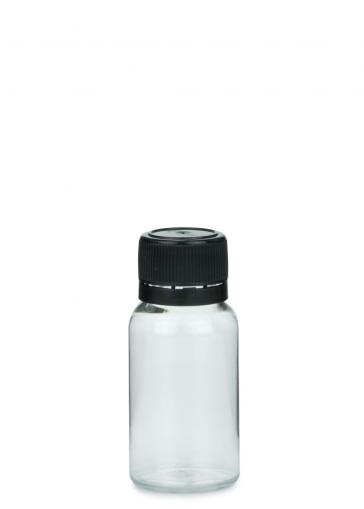
This guide covers PET vs glass dropper bottles with practical checks for product teams, packaging buyers and sourcing managers.
Dropper bottles are common in serums, facial oils and treatment products because they offer controlled application. The material decision often comes down to a tradeoff between glass presentation and PET’s lighter, more resilient structure.
Neither choice is universally better. The formula, fill process, distribution route and brand position should decide which bottle earns the sample test.
Short answer: Glass often supports a premium feel and strong chemical resistance, while PET can reduce weight and breakage risk. Confirm compatibility, dropper fit and transport performance before choosing.
Presentation and product protection
Glass can provide visual clarity, weight and a premium tactile experience. Amber or coloured glass may also help reduce light exposure, although the closure and secondary packaging still matter.
PET is lightweight and can be moulded into clean, consistent shapes. It is useful when shipping cost, breakage resistance or a lighter pack are important. Formula compatibility and light protection need to be reviewed for the specific resin and colour.
Dropper fit is a separate purchase decision
The bottle finish, dropper collar, bulb and pipette must work together. A glass bottle with an 18 mm finish and a PET bottle with a similar neck may still need different closure designs.
Measure the usable pipette length against the bottle and fill volume. If the tube cannot reach the product at the end of use, customers will notice even when the bottle is attractive.
Compare the full delivered cost
Unit price is only one part of the decision. Breakage, protective packing, freight weight and replacement costs can change the total delivered cost.
Run a small transport test with filled bottles, closures and retail packaging. Inspect leakage, loose collars and cosmetic damage before scaling the order.
Quick comparison
A starting comparison for skincare teams:
| Factor | PET dropper bottle | Glass dropper bottle |
|---|---|---|
| Weight | Usually lighter. | Usually heavier. |
| Breakage risk | Lower in normal handling. | Higher if packaging does not protect the bottle. |
| Presentation | Modern and practical. | Often associated with a premium look and feel. |
| Formula check | Confirm resin compatibility and light protection. | Confirm glass colour, coating and closure compatibility. |
Common mistakes to avoid
- Choosing material before checking the formula.
- Assuming a dropper will fit because the neck diameter looks similar.
- Using retail packaging that does not protect glass during transport.
- Ignoring the amount of product left near the end of the bottle.
Before you approve the package
- Formula compatibility and light sensitivity.
- Bottle finish and dropper system.
- Usable pipette length.
- Transport and retail packaging.
- Sample leak and usability testing.
Continue with HIQ Packaging
If the specification is still open, start with the relevant product category or send the team a sample request. HIQ Packaging can help connect the container, closure, dispenser and production requirements without changing the commercial details already approved for the project.
Frequently asked questions
Is glass always better for skincare oils?
No. Glass can be a strong fit for presentation and some formulations, but PET may be practical for weight and shipping. Test compatibility first.
Can I use the same dropper on a PET and glass bottle?
Only if the full neck finish, closure depth and pipette length match. Shared nominal diameter is not enough.
How much headspace should a dropper bottle have?
The required headspace depends on fill volume, bottle geometry and filling method. Confirm it during sample filling rather than using a uniform rule.
Further reading: FDA Cosmetics Information.