Address
Phone:+86 21 84709551Work Hours
Monday to Friday: 8AM - 6PM

Double-Wall vs Single-Wall Jars: A Practical Packaging Comparison
A straightforward comparison of double-wall and single-wall jars for creams, balms, powders and other personal-care products.

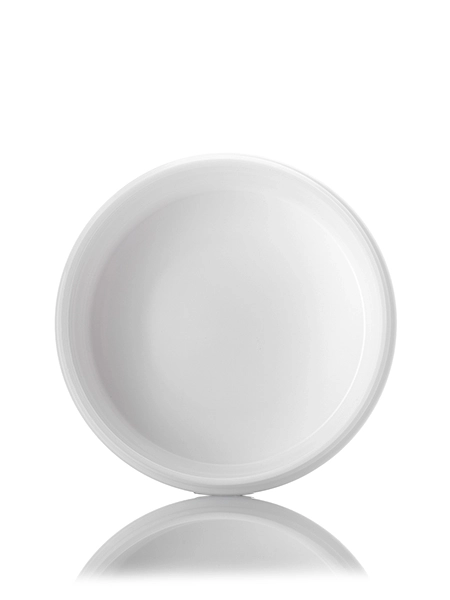
This guide covers double-wall vs single-wall jars with practical checks for product teams, packaging buyers and sourcing managers.
A jar can look thick and premium while still using a relatively simple plastic construction. The difference between a single-wall and double-wall jar is not only the wall itself; it changes weight, visual depth and how the product is presented.
The right format depends on whether the customer should see the formula, how the product is filled and how much structural strength the package needs.
Short answer: Double-wall jars generally create a thicker-looking, more premium exterior and can conceal the inner wall. Single-wall jars are simpler and lighter. Compare product visibility, weight and filling needs before deciding.
Where double-wall construction helps
Double-wall designs can create a clean outer surface and hide the inner container. This is useful when the inner cup is filled to a slightly different level or when the brand wants a solid, opaque exterior.
The construction can also add visual weight. The outer wall does not necessarily improve chemical protection, so product compatibility still belongs to the material in contact with the formula.
Where single-wall jars make sense
A single-wall jar can reduce material use and show the product directly. It may be appropriate for balms, powders and products where visibility is part of the purchase.
Thin walls can make filling and transport less forgiving. Check panel strength, lid fit and the potential for scuffing or deformation.
Plan the fill and lid together
The jar and lid should be tested as a system. Confirm the neck finish, liner or gasket, closure torque and any inner seal. If the product is filled hot, verify that the jar can tolerate the fill temperature and cooling cycle.
Quick comparison
The main tradeoffs are easy to compare:
| Factor | Double-wall jar | Single-wall jar |
|---|---|---|
| Look | Thicker, more constructed exterior. | Direct and often more product-focused. |
| Visibility | Can conceal the inner wall. | Shows the product more readily. |
| Material use | Often higher. | Often lower. |
| Best fit | Premium creams, balms and opaque formulas. | Visible products and simpler constructions. |
Common mistakes to avoid
- Treating the outer wall as proof of product compatibility.
- Selecting a jar without testing the lid and liner.
- Ignoring fill temperature and cooling.
- Comparing unit cost without transport and damage costs.
Before you approve the package
- Formula compatibility with the inner contact surface.
- Fill volume, headspace and fill temperature.
- Lid, liner and closure performance.
- Labeling and decoration method.
- Transport and drop-test requirements.
Continue with HIQ Packaging
If the specification is still open, start with the relevant product category or send the team a sample request. HIQ Packaging can help connect the container, closure, dispenser and production requirements without changing the commercial details already approved for the project.
Frequently asked questions
Does double-wall construction improve barrier performance?
Not automatically. The material in contact with the product and the complete closure system should be evaluated for the formula.
Are double-wall jars heavier?
They often use more material, but weight depends on the specific jar and wall design. Ask for the actual component weight.
Can a single-wall jar look premium?
Yes. Glass, surface finish, colour and decoration can create a premium appearance without a double wall.
Further reading: Plastics Industry Association.