Phone:+86 21 84709551
Monday to Friday: 8AM - 6PM

PCR Plastic Bottles: What to Verify Before Production
What packaging buyers should verify when sourcing post-consumer recycled plastic bottles.

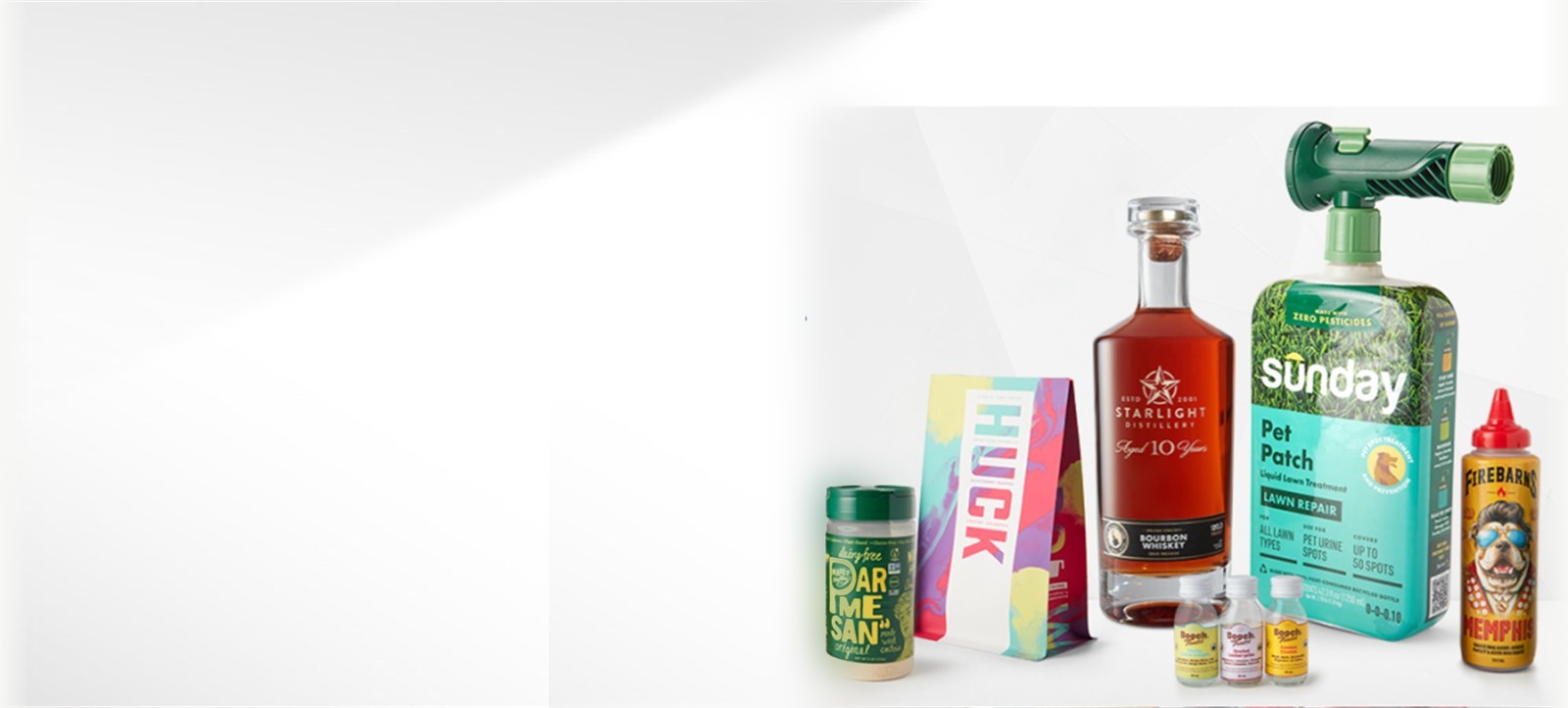
This guide covers PCR plastic bottles with practical checks for product teams, packaging buyers and sourcing managers.
Post-consumer recycled plastic can reduce the use of virgin resin, but PCR content introduces variability that should be addressed before orders are placed. Colour, odour and processing behavior can differ between lots.
The practical question is not simply whether a bottle contains PCR. It is whether the chosen PCR grade works for the product, manufacturing process and any claim the brand plans to make.
Short answer: Confirm the PCR percentage, source and documentation, then test colour, odour, physical performance and product compatibility in the actual bottle specification.
Confirm what the percentage means
Clarify whether the PCR percentage applies to the whole bottle, a specific component or the resin blend. Ask how the figure is calculated and whether documentation is available to support the claim.
Do not assume that every PCR source is suitable for every application. Food-contact, cosmetic and industrial products may have different documentation and testing expectations.
Evaluate lot-to-lot variation
PCR resins can show more variation in colour and odour than virgin resin. A natural PCR grade may shift from beige to grey, while dark or carbon-black material can limit recycling options later.
Approve a colour and odour range, not only a single reference sample. Check whether the decoration or label can mask variation without making misleading claims.
Test the finished package
Performance should be verified after moulding. Check drop strength, wall appearance, neck dimensions, closure fit and compatibility with the product.
Quick comparison
Document these points before production:
| Area | What to confirm |
|---|---|
| PCR content | Percentage, source and supporting documentation. |
| Appearance | Expected colour and acceptable lot range. |
| Odour | Test result with the intended product and closure. |
| Contact | Suitability for food, cosmetic or other application. |
| Performance | Neck fit, drop strength, stress cracking and decoration. |
Common mistakes to avoid
- Treating the PCR percentage as enough evidence.
- Approving one sample without a colour range.
- Ignoring odour or product compatibility.
- Making environmental claims that cannot be substantiated.
Before you approve the package
- PCR grade source and percentage.
- Contact and regulatory documentation.
- Colour and odour acceptance criteria.
- Bottle and closure performance.
- Consumer-facing claim language.
Continue with HIQ Packaging
If the specification is still open, start with the relevant product category or send the team a sample request. HIQ Packaging can help connect the container, closure, dispenser and production requirements without changing the commercial details already approved for the project.
Frequently asked questions
Can PCR plastic bottles be used for cosmetics?
They may be suitable, but the grade, documentation and product compatibility must be reviewed for the specific application.
Why does PCR plastic vary in colour?
Post-consumer feedstock and processing can produce natural variation. Agreeing an acceptable range helps manage it.
Does a higher PCR percentage always mean better sustainability?
Not necessarily. The complete package, transport, recyclability and actual use all contribute to the environmental outcome.
Further reading: Plastics Industry Association.