Phone:+86 21 84709551
Monday to Friday: 8AM - 6PM

Custom Glass Bottle Manufacturer in China: Tooling Guide
How to develop and approve a custom glass mold without losing control of fit, decoration or launch timing.

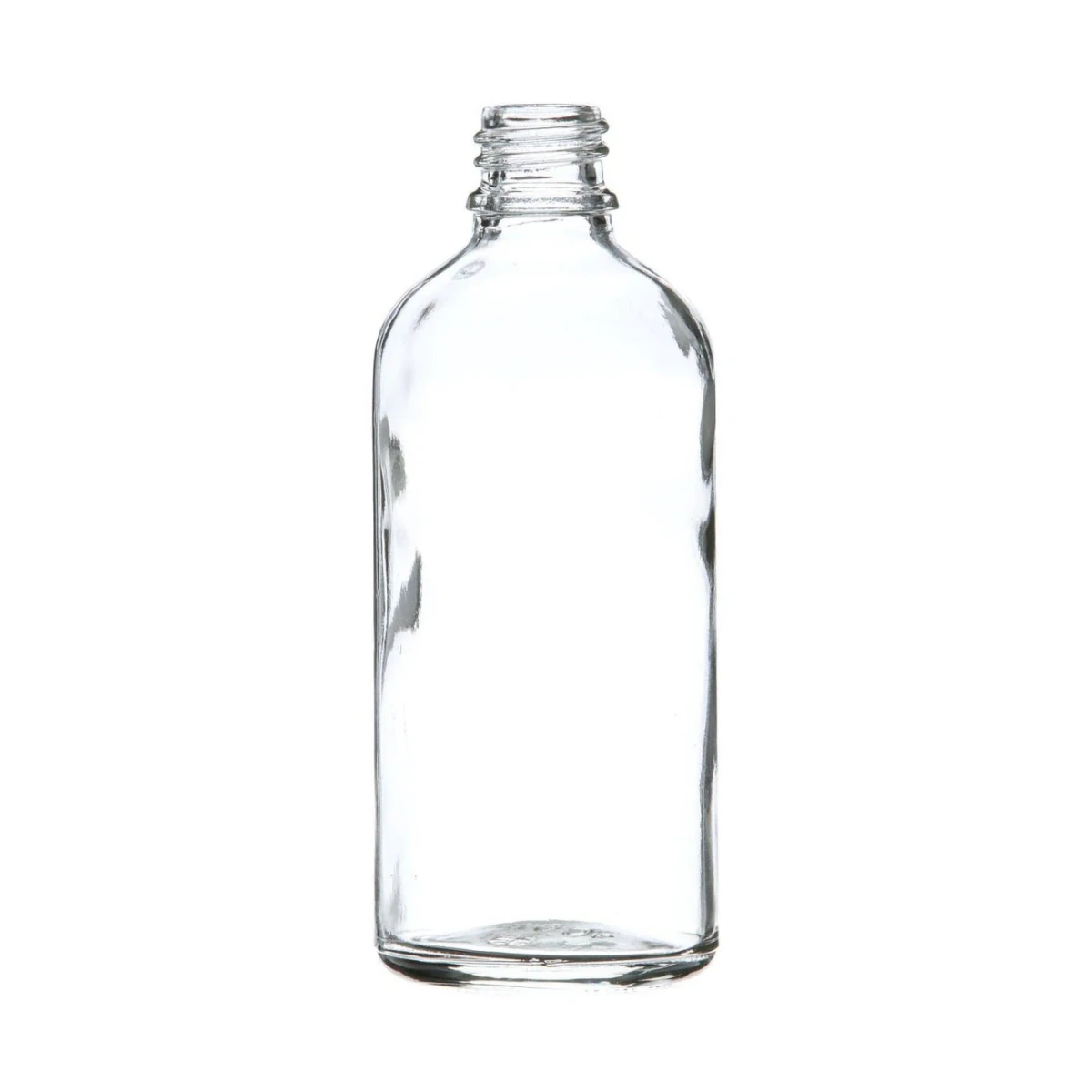
A custom glass bottle manufacturer China review should answer two questions before tooling begins: can the design be formed consistently in glass, and can the approved bottle be decorated, filled and delivered as a repeatable package?
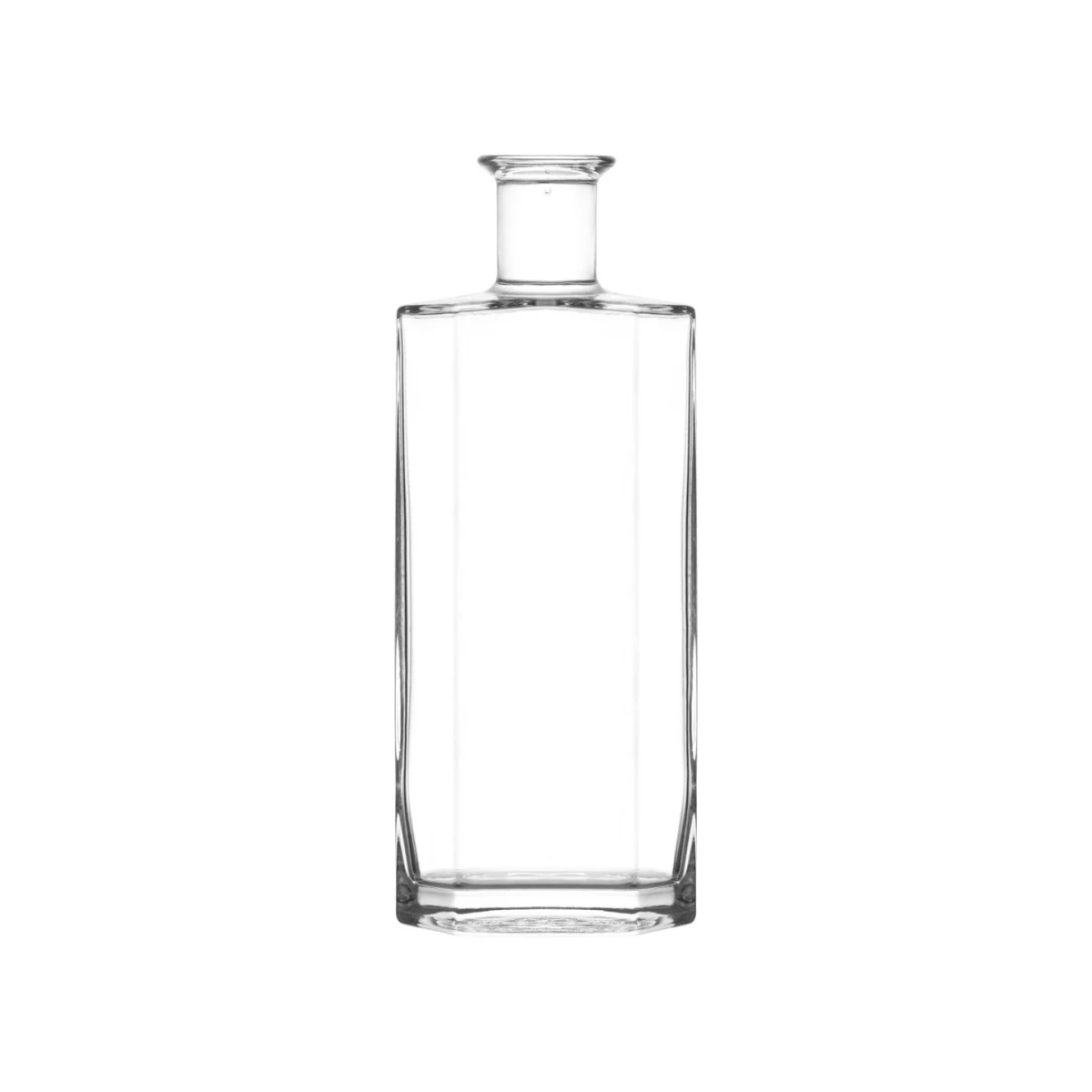
This guide covers custom glass bottle development from first drawing to production approval. It is useful for spirits, beverage, cosmetic and other specialty packaging projects that need a new mold or a meaningful modification to an existing one.
Compare custom glass bottle manufacturer China options
A stock mold is the quickest and lowest-risk route when the bottle already meets the product and brand. A modified stock bottle may require new tooling changes. A completely new mold offers the greatest design freedom but also the longest development route.
Ask the supplier to compare the options using the same fill volume, finish, decoration and volume forecast. A custom glass bottle manufacturer China quotation should also separate tooling, samples, decoration and production. A custom silhouette may deliver shelf impact, but an existing mold can be the better first launch if the economics do not support a new container.
Research existing molds before committing. The right supplier may have a shape close to the brief and can show a physical sample or current drawing. That can preserve design intent while reducing sample time.
Turn the concept into a glass-manufacturable design
Glass distribution, weight, draft angle, finish, shoulder and base design affect how a bottle can be made. Provide a 2D or 3D concept, then request a design-for-manufacture review from the glass bottle manufacturer.
The review should explain where wall thickness may be difficult to control, how embossing or lettering will appear, whether the body taper affects decoration, and how the finish will be held during forming.
Mark critical dimensions separately from aesthetic dimensions. A supplier needs to know which measurements control capacity, closure fit and line handling, and which can vary within an approved visual range.
Agree the mold and sample stages
A custom glass project often includes a mold drawing review, first sample, revised sample and decorated sample. The quotation should state how many iterations are included and what constitutes a design change rather than a defect correction.
The mold record should identify the owner, location, number of sections or cavities, expected life and maintenance responsibility. If the design includes embossed branding, specify the depth and position and confirm that the mold will carry the approved artwork.
Do not begin decoration tooling until the bare glass is stable. Decorating a changing bottle creates compounding approvals and rejects.
Measure capacity and performance from the real sample
Measure capacity at the intended fill point, not only to the brim. Check height, diameter, weight and finish. Review base and body runout, neck dimensions and the position of any label panel or embossing.
Fit the intended closure and test the interface. For a spirits or beverage bottle, include removal torque, leakage, filling and capping behavior. For a cosmetic bottle, test dispenser alignment and label or decoration coverage.
Document the test conditions and keep the sample. A bottle measured without a closure may pass a drawing but fail the package.
Approve decoration on the production glass
Printing, frosting, coating and embossing interact with the surface of the bottle. Approve decoration on the production glass color and finish. Check the shoulder, seam area and base transition where appearance is most likely to vary.
Confirm number of colors, print area, registration tolerance, curing and packing protection. If the bottle will be washed or handled before filling, test the decorated sample under representative conditions.
A digital proof is useful for layout review but cannot establish opacity on dark glass or the appearance of metallic decoration under retail lighting.
Set a defect standard for the custom shape
Custom bottles can create new defect questions: a deep emboss may increase local wall variation, and a narrow shoulder may create seam visibility. Agree critical, major and minor limits with representative photographs.
Review finish chips and cracks as safety and sealing risks, not cosmetic issues. Check contamination, stones, seeds, tears and sharp edges. Then define acceptable limits for flow lines, seams, localized color variation and decoration alignment.
The standard should be written before the mold is released. Waiting until the first production run to define “acceptable” gives the supplier and buyer opposing interpretations.
Understand the cost drivers
Custom glass cost is not only bottle weight or price per millilitre. Mold complexity, forming speed, decoration yield, packing volume, breakage risk and freight all affect the landed price.
A heavy or unusually shaped bottle may increase glass weight and reduce pallet efficiency. Extra packing protection can improve delivery but lower container utilization. Model those effects before choosing the final shape.
Request a cost comparison for the launch volume and mature annual volume. A tooling investment that looks weak on the first order may become reasonable after repeat demand, but only if the bottle remains saleable and repeatable.
Protect the mold and the specification
Record the approved drawing, mold number, sample measurements and decoration standard in a controlled project file. Any later change to glass plant, mold, decorator or packing source should trigger a change assessment.
Plan mold maintenance and inspection. Ask who pays for normal wear, accidental damage and design changes. If the mold is customer-owned, confirm that access and transfer conditions are documented.
Do not accept an undocumented “same bottle” on a reorder. Confirm the production source and compare against the retained sample.
Validate the complete pack
Test the finished pack: bottle, closure, decoration, label and carton. Review the filling line, closure application, label position and transport protection. A beautiful bottle that cannot run efficiently is not a completed custom development.
HIQ Packaging can connect design and engineering, glass bottle selection, closures and quality support. Share the concept, volume and destination through the project inquiry page.
Frequently asked questions
How much does a custom glass bottle mold cost?
Cost depends on bottle size, shape, mold construction, finish, embossing and number of sections. Request a written scope that separates tooling from sampling, decoration and production.
Can a glass bottle be changed after the first sample?
Some changes may be possible, but local glass adjustment can require mold modification. Confirm which differences are expected sample-correction work and which are new design changes.
When should I approve decoration?
Approve the bare bottle first, then decorate the approved production glass. This separates forming issues from decoration issues and gives each process a clear acceptance gate.
What should be in the mold file?
Include the drawing, mold number, owner, location, sample measurements, approved decoration, maintenance plan and change history.
Request a custom glass bottle review
Industry reference: Review glass packaging information from the Glass Packaging Institute.