Phone:+86 21 84709551
Monday to Friday: 8AM - 6PM

Glass Bottle China Factory: Molds, MOQs and Quality Checks
What international buyers should verify before choosing a glass bottle China factory or approving a mold.

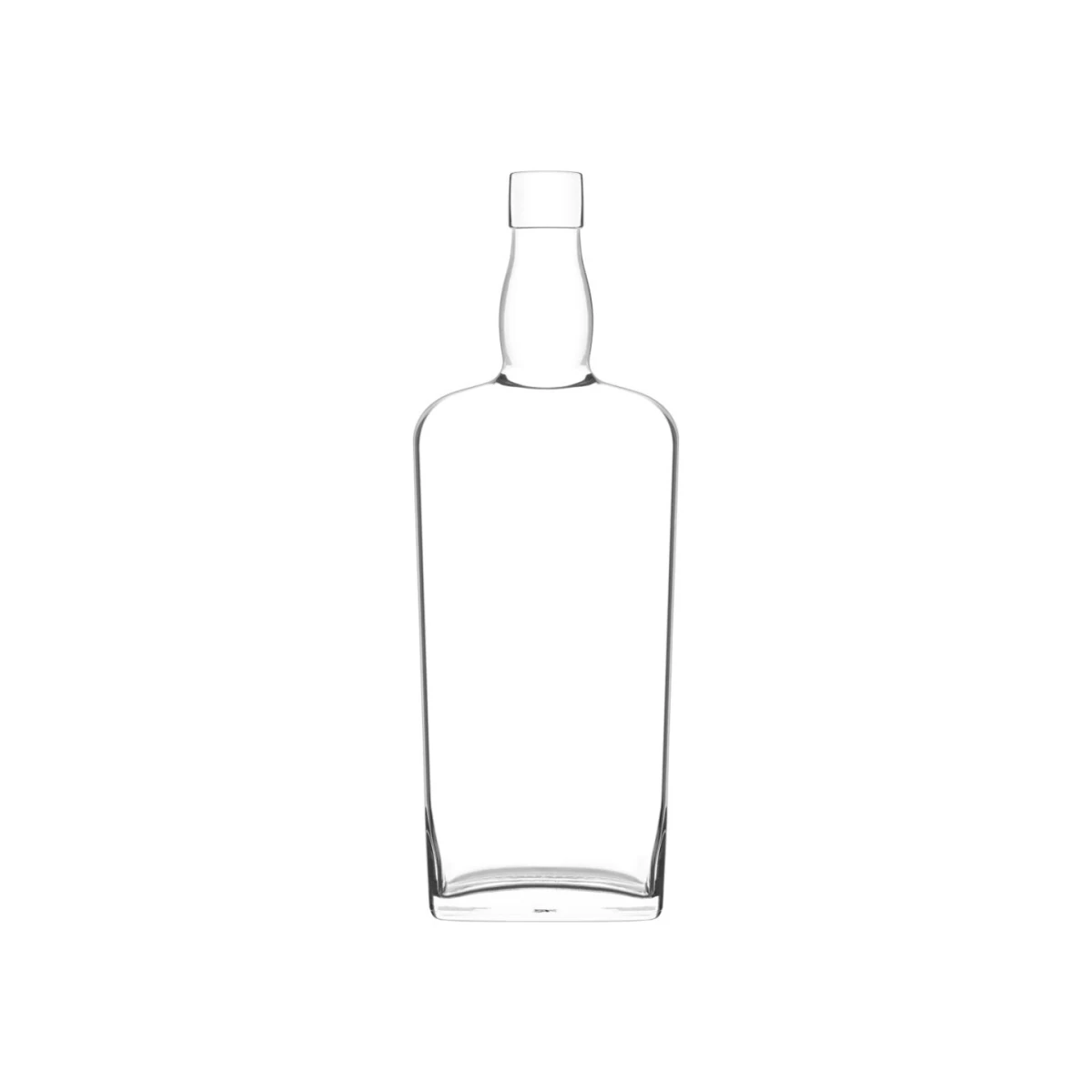
A glass bottle China factory may be a glass plant, a decorator, a packing operation, or a supplier coordinating all three. Those roles carry different risks, so the first qualification question is not “Can you make glass bottles?” It is “Which parts of this project will your company control?”
This buyer’s guide explains how to evaluate a glass bottle China factory before tooling, decoration or bulk production. It covers molds, minimum order quantities, glass defects, sample approval, packing and export checks for international buyers.
Short answer: shortlist factories by the production route they actually control; verify an existing or new mold, agree a glass and decoration defect standard, approve samples from the production source, and document MOQ, packing and inspection before release.
Start with the factory’s real production model
Glass bottle manufacturing, decoration and closure supply are often separate businesses. A factory may make the bottle but send it to another site for frosting, coating or printing. Another supplier may operate no furnace and instead manage glass plants, decorators and packing houses.
A coordinated supplier can add value when several processes must meet one specification. The buyer still needs transparency. Request a written process map and identify the legal entity and site for glass forming, annealing, inspection, decoration, packaging and warehousing.
| Capability | What to verify |
|---|---|
| Glass forming | Bottle shape, weight range, process, plant location and which molds are available. |
| Molds | Existing mold drawings, section information, ownership, condition and new-mold cost. |
| Annealing and inspection | Process controls, defect standards, dimensional checks and retained samples. |
| Decoration | Whether printing, frosting, coating, hot stamping or embossing is performed in-house. |
| Packing and export | Divider design, pallet pattern, carton strength, loading plan and container utilization. |
Understand existing molds versus a new mold
An existing mold can shorten development, but it must still match your product. Obtain the current drawing, capacity at the intended fill level, finish dimensions, weight, maximum diameter and height. Ask when the mold was last produced and whether it has been modified.
A new mold is appropriate when shape, branding, capacity or shelf differentiation justifies the investment. The quotation should define design review, sample iterations, mold material, estimated mold life, maintenance and ownership. It should also state whether embossed branding or a proprietary finish is included.
Do not assume that a sample labelled with a mold number comes from the same cavity that will produce your order. Request a sample from the proposed cavity and record the mold or cavity identifier on the approval record.
Define glass quality in measurable terms
“No bubbles” and “high quality” are not acceptance standards. Glass naturally varies, and the correct limits depend on the bottle’s use and decoration. Agree a visual and dimensional defect standard before production.
The standard should classify critical, major and minor defects; define acceptable limits by area or inspection level; specify measurement equipment; and explain how color is compared. Review visible flow lines, stones, seeds, tears, chipped finishes, uneven walls, lean, out-of-round sections and mold seams.
Function takes priority over cosmetic perfection alone. Check filling, closure application, capping torque, label placement and transport performance. A bottle with a tight visual range can still fail because the finish is inconsistent or the base does not run on the filling line.
Review decoration as a separate manufacturing process
Screen printing, pressure-sensitive labels, shrink sleeves, frosting, organic coating, metallic decoration and embossing each create different approval points. Ask whether the glass bottle China factory controls the decorating line and how it handles color matching, registration and curing.
For direct decoration, review artwork at the same scale and placement as the bottle. Confirm print area, number of colors, minimum line thickness, mask or resist requirements, and decoration position relative to body seams and fill lines. A digital mockup is not a substitute for a decorated physical sample.
For frosted or coated bottles, ask what happens at edges, seams and the base. Test cleaning, filling and transport conditions. If the product is affected by coating contact or the decoration is intended to support a recyclability claim, obtain relevant evidence before using that claim in marketing.
Request a sample set that supports a real decision
The first sample should answer technical questions. Does the glass meet capacity and dimensions? Does the closure fit, seal and align? Does the bottle run on the line? Does the decoration survive normal handling? Does the packing protect the finish?
Keep a signed approval sample, photographs, measurements and test conditions. If the production source changes, request a new qualification sample. A factory comparison made only from studio images is commercial theatre, not qualification.
Sample stages to define
- Concept or mold review sample: confirms shape and general appearance.
- First production sample: confirms dimensions, finish and decoration from the tooling route.
- Line-trial sample: confirms filling, capping, labeling and handling.
- Production reference: the signed baseline for inspection and future repeats.
Calculate MOQ around real production losses
Glass MOQ is influenced by mold cavity count, furnace planning, color, decoration setup, packing configuration and container space. Ask whether the quoted MOQ is per production run, per color or per SKU, and whether decoration has a separate minimum.
Compare MOQ with the quantity that actually arrives saleable. Freight, breakage allowance, incoming inspection and safety stock affect the useful order quantity. Use a landed-cost model rather than unit price alone.
The quotation should identify pallet quantity, carton quantity, net and gross weight, container type and estimated loading quantity. Glass is heavy, so packing efficiency and freight mode can matter as much as the bottle price.
Factory audit questions for a glass bottle China factory
Ask who owns the furnace or forming line, where the mold is located, which inspection equipment is used, how nonconforming bottles are isolated and how customer-owned molds are controlled. Request recent production records and an example certificate of analysis or inspection report.
Verify the scope and status of any ISO 9001 evidence and request product-specific contact documentation for the intended market. For food or beverage packaging, mention the intended use and ask the supplier to identify the evidence available. Requirements vary by market and product, so have the final submission reviewed by a qualified specialist.
Openness matters more than a polished brochure. A credible glass bottle China factory can explain unknowns, provide traceable documents and define which claims it cannot support.
Commercial terms and release controls
Agree Incoterms, payment milestones, currency, warranty, breakage responsibility and acceptance criteria in the purchase documents. The factory should not start mass production until the approved sample, artwork and inspection plan are released together.
Define a third-party inspection plan when appropriate. It should cover sampling, measurements, visual defects, decoration, packing and loading. Retain photographs of the sealed pallets and container loading if claims need to be investigated later.
Explore glass bottles and jars, caps and closures, or compare PET and glass dropper bottle options. HIQ Packaging can review the glass, closure, decoration and supply route together.
Frequently asked questions
How do I verify a glass bottle China factory?
Match the contracting company, plant location, production process and payment beneficiary. Review mold evidence, current samples, defect standards, recent inspection records and the destination for decoration and packing.
Should I use an existing mold or build a new one?
Use an existing mold when its shape and dimensions fit the product and the factory can prove the mold is available and in condition. Choose a new mold when differentiation, capacity or finish requirements justify the development cost.
How should glass defects be specified?
Use a written defect classification with measurable limits, inspection method, sample size and photographs. Include critical finish and safety defects, dimensional checks and decoration requirements.
What affects glass bottle MOQ?
Mold cavities, furnace scheduling, color, decoration setup, packing and container utilization influence the minimum. Confirm whether the MOQ applies to one run, one SKU or each color and decoration version.
Discuss a glass bottle factory project
Industry reference: Learn about container properties and recyclability from the Glass Packaging Institute.