Phone:+86 21 84709551
Monday to Friday: 8AM - 6PM

Cosmetic Packaging Supplier China: A Complete Checklist
A launch-focused checklist for comparing cosmetic packaging suppliers and validating the full bottle and dispenser system.

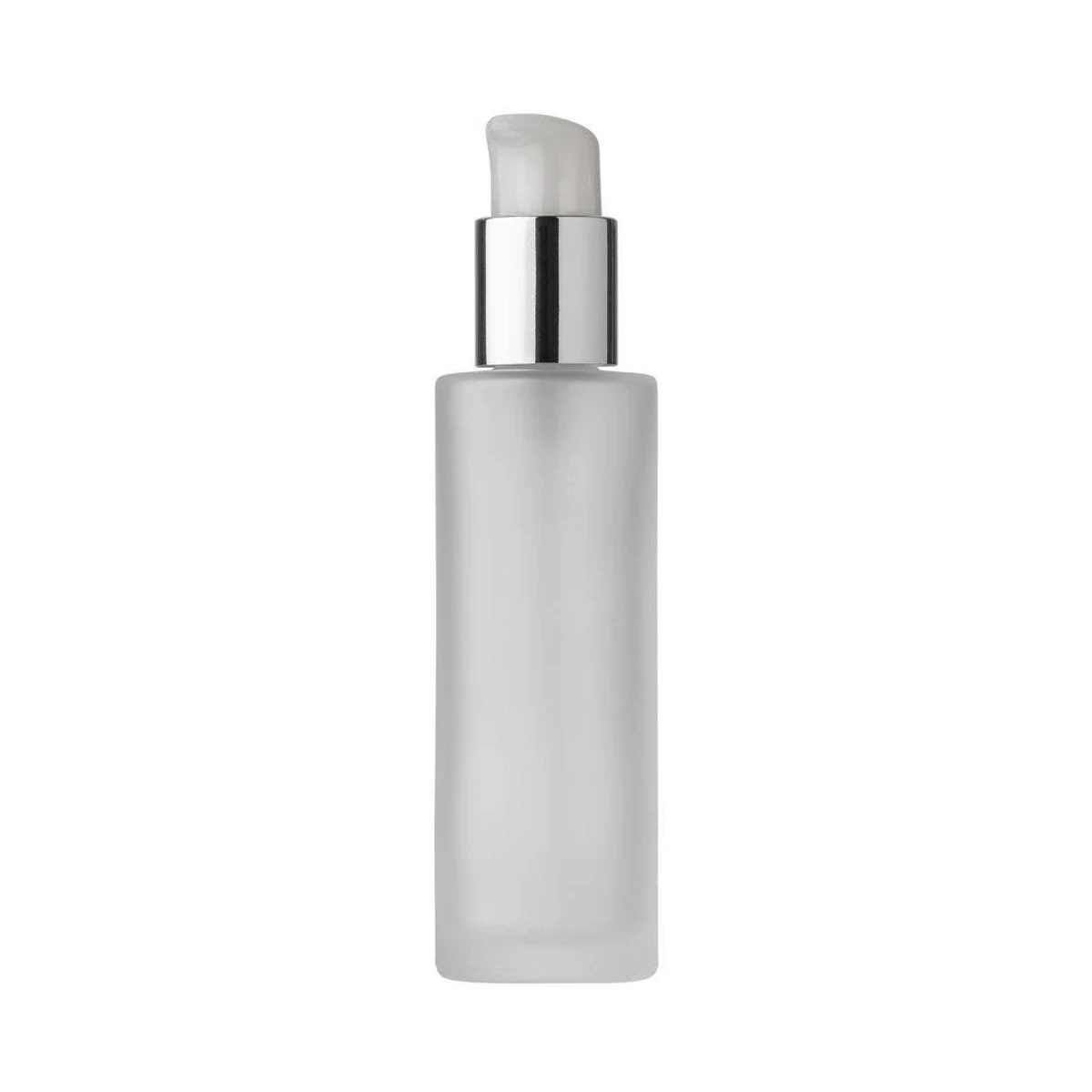
A cosmetic packaging supplier China sourcing project must treat the container, closure and dispenser as one functional unit. A bottle can look correct and still fail because the pump dose is inconsistent, the liner is incompatible or the decoration does not survive normal handling.
This checklist is for skincare, personal-care, fragrance and beauty brands evaluating a cosmetic packaging supplier China route. It covers product compatibility, fit, decoration, evidence and production quality before launch.
Prepare a cosmetic packaging supplier China brief
The formula drives the packaging choice. Viscosity affects the pump or dispenser. Solvents, oils and fragrance can affect materials, liners and decoration. The storage temperature, usage pattern and expected shelf life influence the compatibility test.
Provide a safety data sheet or formula summary appropriate to the supplier’s need. Do not assume that a package marketed as “cosmetic grade” is automatically compatible with a specific formula.
State the user experience: precise drops, a fine mist, a controlled cream dose or simple pouring. This helps the supplier select the container and function rather than matching appearance alone.
Specify the bottle and dispenser as a system
Record capacity, fill volume, neck finish, bottle material, closure type, dip tube length and dosage target. For pumps and sprayers, confirm the output and actuation behavior expected by the brand.
Measure the assembled unit. Check neck engagement, closure alignment, overcap fit and the distance from the bottom to the dip tube end. Test the assembly with the intended product at the intended fill level.
Related technical guides can help frame the questions: fine mist sprayer output, treatment pumps versus lotion pumps, and how to measure a bottle neck finish.
Review material and contact evidence
Ask the supplier to identify the exact bottle, pump and liner materials and the documentation available for the intended use and market. For cosmetic packaging, compatibility and migration questions may need to be reviewed with the final formulation and a qualified specialist.
Do not rely on a generic certificate that names a different resin grade or component. Match the evidence to the proposed materials and manufacturing source. Keep the documentation version with the approved sample.
If the brand plans a recycled-content, refill or recyclability claim, request evidence for the actual package and clarify what is excluded. Marketing language should not outrun the verified specification.
Assess bottle options by product type
Clarity, color, barrier, weight and surface finish create different visual and technical outcomes. PET, glass and other materials may all be appropriate depending on the formula, channel and brand position.
A lightweight bottle can reduce material use but may affect premium feel, squeeze behavior or transport performance. A heavier glass bottle can support a luxury image but increase freight and packing requirements.
Compare PET and glass dropper bottles and refillable shampoo bottles using the product’s real needs. A material choice should not be made from a mood board alone.
Approve decoration from a physical sample
Cosmetic packs often combine printing, hot stamping, coating, labels, embossing or frosted surfaces. Each decoration can affect appearance and recyclability. Review a decorated sample on the final bottle color and with the intended closure.
Confirm art scale, registration, color measurement, adhesion and handling resistance. Check whether the decoration continues across the shoulder or stops at a seam. If the bottle will be refilled or cleaned, test the decoration under those conditions.
For fragile finishes such as frosted glass or soft-touch coating, review how the pack is protected in cartons and during application. A sample that looks excellent after unpacking may not survive distribution.
Test pump, sprayer and closure performance
A cosmetic packaging supplier China commitment should include repeatable functional output, not only a visual sample. Test pump priming, dose consistency, dips per unit, spray pattern, leakage, actuation force and closure torque.
Run the tests with the formulation and at the intended temperature where relevant. Record how the pack behaves after storage, inversion and normal use. For a treatment pump, check the dose and suck-back behavior; for a lotion pump, test viscosity and dispenser stability.
If the item is assembled from separate components, clarify who validates the interactions and who is responsible for a failure.
Set a cosmetic packaging defect standard
Define defects that affect function, protection or appearance. Critical items can include leakage, broken glass, a damaged finish, contamination or a nonfunctional dispenser. Major appearance defects may include print misregistration, scuffs, color mismatch and excessive glass or resin marks.
Use photographs and a controlled lighting standard. Review the sample after assembly, not only as separate components. A small mark on a bare bottle may become much more visible after a dark coating or a translucent label.
Agree sample size, inspection stage and release authority. Keep a signed reference set with the formula, closure and decoration.
Confirm MOQ and launch feasibility
Beauty projects often launch with smaller quantities and grow through reorder. Ask the supplier to quote the first order, a repeat order and a scaled order. Identify minimums for bottle, pump, color, print and assembly separately.
A lower MOQ may use a stock component with limited customization. A custom mold or special coating may force a much larger buy. Ask for a practical route rather than assuming the first quote represents the current launch budget.
Plan packing and quality checks
Ask for packing photos and a carton configuration that protects both appearance and function. Confirm whether bottle, pump and cap are shipped assembled, separately packed or mixed. Assembly increases labor but can reduce damage and improve line readiness.
Plan incoming inspection around the functions you cannot see from the outside: pump dose, leakage, spray pattern and closure fit. Use a documented sampling plan and keep the testing method consistent across reorders.
A practical launch sequence
- Define formula compatibility and user experience.
- Select bottle, closure and dispenser as one system.
- Approve the undecorated functional sample.
- Approve decoration and final appearance.
- Run filling, capping and transport trials.
- Lock the inspection plan and packing configuration.
- Review the first production shipment against the approved reference.
Explore HIQ Packaging’s cosmetics packaging, fragrance packaging, personal-care packaging, caps and closures and quality support. Send the product and destination through the project inquiry page.
Frequently asked questions
What should I send to a cosmetic packaging supplier?
Provide the formulation or compatibility summary appropriate to the project, target fill volume, bottle and dispenser preference, decoration, launch volume, destination and timing.
Can I mix a bottle from one supplier with a pump from another?
Yes, but the combination must be tested together. Assign responsibility for fit, leakage, dose and performance, and retain an approved assembled sample.
How do I compare cosmetic packaging samples?
Compare dimensions, material, decoration, function, output, leakage and product compatibility. Use the same product and test conditions for every candidate.
When should I run a transit test?
Run it after the bottle, closure, decoration and carton are representative of the final production pack. Test the actual distribution risk where practical.
Request a cosmetic packaging review
Industry reference: Review food and cosmetic packaging resources from the U.S. Food and Drug Administration. Confirm the evidence required for your specific market and product.