Phone:+86 21 84709551
Monday to Friday: 8AM - 6PM

China Packaging Sourcing Agent vs Direct Factory: Which to Use?
When to use a China sourcing agent and when direct factory access creates the stronger packaging project.

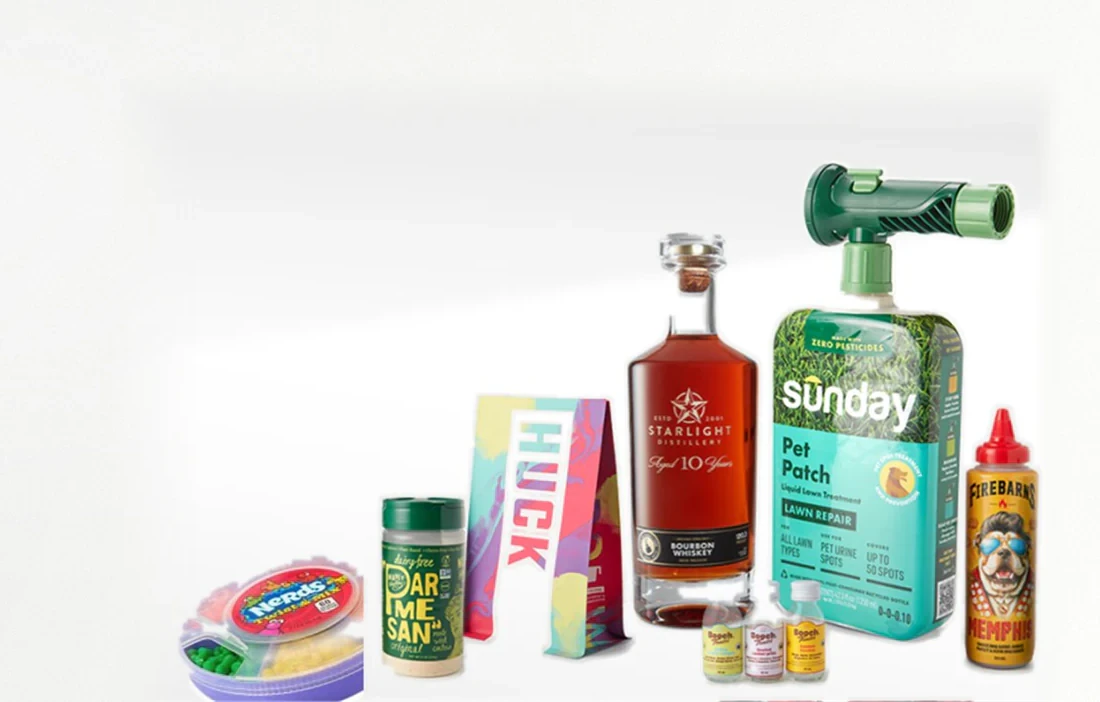
A China packaging sourcing agent and a direct factory can both deliver a successful package. The right choice depends on how many components, factories and technical interfaces your project contains, and how much supplier management your team can absorb.
This guide compares the two models for international B2B buyers. It explains when direct factory access is strongest, where a sourcing agent can add control, and which questions protect quality and accountability in either relationship.
What a direct factory relationship actually gives you
A direct factory may control the bottle or component production, mold knowledge and production schedule. You can speak with the manufacturing team, request line-level evidence and potentially reduce an intermediary margin.
Direct sourcing also places more coordination on the buyer. If the bottle comes from one supplier, the pump from another and decoration from a third, your team must own the interfaces, quality criteria and claims process.
A direct factory is often a strong fit for a simple, well-defined stock component with one production source and a clear internal quality function. It becomes less simple when the project involves custom tooling, several components or multiple factories.
What a China packaging sourcing agent does
A sourcing agent can identify suppliers, request quotations, compare specifications, coordinate samples, follow production and arrange inspection or shipment. Some agents offer engineering, quality and logistics; others mainly pass information between buyer and factory.
The value depends on the service scope. “We can find any factory” is not enough. Ask who defines the specification, who approves the sample, who owns a defect claim and which decisions require buyer approval.
Good coordination can reduce supplier fragmentation. A China packaging sourcing agent can also hide problems when it does not disclose the production source or when contractual accountability is unclear.
Compare the models on project risk
| Decision factor | Direct factory | Sourcing agent |
|---|---|---|
| Single stock component | Usually efficient when the factory is qualified. | Useful if you need supplier search or local follow-up. |
| Multi-component pack | Requires the buyer to own several interfaces. | Useful when one coordinator can own the complete specification. |
| Custom mold | Provides direct technical access and process control. | Adds value when it can coordinate design, tooling and inspection. |
| Quality issue | Claim goes directly to the producing factory. | Agent must have defined responsibility and access to the factory. |
| Commercial transparency | Factory price and margin are usually less layered. | Fee, markup, component costs and factory identity should be clear. |
Do not choose based only on the percentage fee or margin. A small coordination fee can be worthwhile when it prevents an incompatible closure, a weak inspection plan or a mislabelled shipment. A large mark-up provides no value if accountability is missing.
Ask the sourcing agent to disclose the operating model
Clarify whether the agent is paid by the buyer, earns a supplier commission, resells as a principal, or uses a mix. Ask for the manufacturer identity, quotation basis and the scope included in the price.
A transparent agent can explain why it selected a factory and what alternatives it rejected. It should share drawings, sample evidence and inspection reports within the buyer’s agreed access rights.
If the agent insists on hiding the factory or prevents direct access to key quality records, assess that as a concentration and continuity risk. Confidentiality can be legitimate, but it should not prevent you from verifying the production source.
Ask the factory how it handles non-manufacturing steps
A direct factory may be excellent at molding but not at closure sourcing, decoration, export packing or documentation. Ask whether it manages those activities as a principal or merely introduces another company.
Request a responsibility matrix. Each item should have one owner: bottle, closure, liner, decoration, assembly, inspection, export packing and shipping documentation.
If the factory cannot own an interface, you can still source directly and appoint another partner. The important point is to make the gap visible before production.
Test technical capability in the first exchange
Send both a factory and an agent the same technical brief. Look for questions about product compatibility, neck finish, volume, decoration and destination. A useful response identifies unknowns and proposes a controlled path.
Ask how the supplier would handle a failed closure fit, a color mismatch or a late mold. Compare the answers, not only the price. A clear corrective-action process is evidence of project management.
For related material decisions, use HIQ’s guides to PCR plastic bottles and PET versus glass dropper bottles as examples of the technical detail a good supplier should discuss.
Compare total cost and cash flow
Build a landed-cost model including product, tooling, samples, decoration, inspection, freight, duty, insurance and internal coordination. Add the cost of delays and rework where they can be estimated.
A direct factory may show the lowest product quote while requiring you to manage several suppliers, inspections and disputes. An agent may show a higher visible cost while reducing internal labor and interface risk. Compare the complete service, not only the unit price.
Review payment terms and currency exposure. A deposit paid to one entity and a shipment controlled by another should be explained in the contract and reflected in the documents.
Protect quality with a common specification
Whether you choose a factory or an agent, freeze the specification and approval standard. Keep a signed sample, drawing, defect criteria and packing record. Make clear who signs the inspection report and who can release a waiver.
Require written change control for resin, mold, factory, decorator or packing. An agent that cannot enforce these changes with the factory is not providing the quality service the buyer assumes.
Use third-party inspection when the risk or order value justifies it. The sourcing model does not remove the need for evidence.
A simple decision rule
Use a direct factory when the component is well defined, the production source is transparent and your team can manage the interfaces. Use a sourcing partner when the project spans several processes, the supply base is unfamiliar, or you need coordination with defined accountability.
In either case, appoint one owner for the finished packaging system. A project with three excellent factories but no interface owner can still fail.
HIQ Packaging combines packaging design, sourcing, tooling, quality and supply-chain coordination. Review packaging services, supply-chain management, quality support and the product catalogue, then send the China packaging sourcing agent or direct-factory brief through contact HIQ Packaging.
Frequently asked questions
Is a sourcing agent cheaper than a factory?
Not necessarily. An agent may charge a fee or include a margin, while a direct factory may require more internal coordination. Compare total landed cost and the cost of quality risk, not the headline unit price.
Should a sourcing agent disclose the factory?
The buyer should have enough transparency to verify the production source, quality evidence and continuity risk. Confidentiality terms can be agreed, but secrecy should not block essential due diligence.
Who owns a factory mold when an agent manages the project?
The purchase agreement should state the owner and who can access or transfer the mold. Clarify whether the agent merely coordinates or holds any rights, and record the mold number and maintenance plan.
Which model is better for a first order?
Use the model that gives the clearest technical path, sample evidence and accountability for your specific pack. Start with a controlled sample or pilot order when the relationship is new.
Discuss your packaging sourcing model
Reference: Review supply-chain and packaging resources from the Plastics Industry Association.